
Walk into any outdoor store and you will see two walls: chunky mid-height boots on one side and low, sneaker-like hiking shoes on the other. Both are built for trails, both come in waterproof versions, and both cost about the same. So which one should you buy? The honest answer is that it depends on where you hike, what you carry and how your ankles behave. This guide pulls together advice from established expert sources, including REI's hiking boot guide, and turns it into a simple decision.
What actually separates a boot from a shoe
The obvious difference is collar height. Hiking shoes are cut below the ankle bone. Mid boots rise to or just above it, and high boots go higher still. But height is only one part of the picture. REI's guide groups footwear into hiking shoes, day hiking boots and backpacking boots, and the categories differ in stiffness, weight and underfoot protection as much as in height.
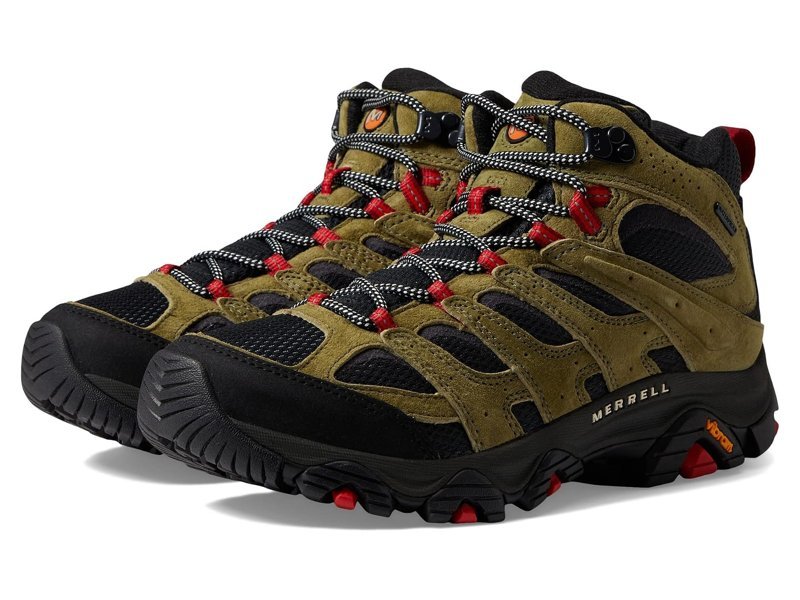
A typical mid boot has a stiffer midsole, often with a shank or plate that keeps the sole from flexing too much on uneven rock. A low hiking shoe is usually more flexible and lighter, closer to a running shoe. Look at our own picks as an example: the Merrell Moab 3 Mid Waterproof uses a molded nylon arch shank and a padded collar, while the Merrell Moab 3 hiking shoe shares the same Vibram TC5+ outsole but drops the height and the membrane, so it breathes better and weighs less.
Ankle support: what boots can and can't do
The main reason people buy boots is ankle support. A higher, laced collar does add some stability and protection from knocks against rocks and roots, and it helps keep debris, snow and water out. That is useful on loose scree, rocky descents and off-trail ground.
What a boot can't do is replace strength and good footing. A collar resists rolling, but it can't stop it completely, and a stiff boot can make you less aware of where your foot is. If you have weak or previously injured ankles, a mid boot is a sensible choice. If your ankles are strong and you hike groomed trails, a low shoe is often enough. For persistent ankle problems, a physical therapist or sports medicine doctor will give you better advice than any footwear label.
Weight and fatigue
Every step lifts your footwear, so weight on your feet adds up over a long day. This is the main reason many day hikers and thru-hikers have moved to lighter shoes and trail runners. A low shoe also tends to need less break-in time and feels more natural on easy ground.
The trade-off is protection. Lighter shoes usually have thinner midsoles and less rock protection, so sharp stones can bruise the bottom of your foot on long, technical descents. If you want something in between, a light mid boot like the Salomon X Ultra 4 Mid GTX is designed to feel close to a trail shoe while adding a higher collar. Check the manufacturer's listed weight before you buy; brands publish it, and it is one of the easiest specs to compare.
Waterproof or breathable?
Many boots and shoes come in a waterproof version with a membrane such as Gore-Tex, KEEN.DRY or a brand's own liner. Membranes keep water out from puddles, wet grass and light stream crossings. The catch, as REI and most gear reviewers point out, is that they also slow down how fast sweat escapes and how fast the shoe dries once water gets in over the top.
A simple rule:
- Cool, wet or snowy seasons: waterproof makes sense. A waterproof mid is the best combination for shoulder-season mud and early snow.
- Hot, dry trails or desert hiking: a non-waterproof mesh shoe will usually feel cooler and dry faster.
- Lots of deep creek crossings: some hikers prefer non-waterproof shoes they can let drain, rather than a waterproof boot that stays wet inside once it floods.
If you want one waterproof low shoe for wet day hikes, the KEEN Targhee IV Waterproof and the Salomon X Ultra 360 GORE-TEX are two of our ranked options.
Match the footwear to your hikes
Here is a practical way to decide, based on the guidance in REI's boot guide and the way manufacturers describe their categories:
- Short, well-maintained trails with a light day pack: low hiking shoes.
- Mixed terrain, some rock and mud, day packs up to moderate weight: either works; choose based on comfort and your ankles.
- Rocky, steep or loose trails, wet seasons, or a heavier pack: mid boots.
- Multi-day backpacking with a heavy load, or rough off-trail travel: sturdier mid or high boots with a stiffer sole.
Many hikers end up owning both: a light shoe for summer and a waterproof mid for fall, winter and spring. If you can only buy one pair, think about the hikes you do most often, not the one big trip you might do someday.
How to get the fit right
Fit matters more than whether you choose a boot or a shoe. REI's fitting advice is worth following closely:
- Shop later in the day, when your feet have swelled a little, the way they will on a hike.
- Wear the socks you hike in, and bring any insoles or orthotics you use.
- Check toe room. Your toes should not hit the front of the shoe on a downhill. If the store has a ramp, use it.
- Check the heel. A little lift is normal, but your heel should not slide up and down much when you walk.
- Consider width. Some brands are known for roomier fits. KEEN, for example, describes its Original Fit as having a roomy toe box, which is why the Targhee IV Mid is our pick for wide feet.
Owners of popular models often report sizing quirks. Many Moab 3 buyers, for example, say it runs about a half size small. Read recent owner reviews and the brand's size chart before ordering online, and check the return policy.
Break-in and care
Modern synthetic and leather-mesh footwear needs far less break-in than old all-leather boots, but you should still wear new pairs around the house and on short walks before a long hike. That is the time to notice hot spots and fix them with lacing changes or a different sock. Clean off mud after hikes, let shoes air-dry away from direct heat, and follow the manufacturer's care instructions, especially for leather and waterproof membranes.
Our picks to start with
We don't test footwear ourselves. Our rankings summarize manufacturer specs, expert reviews and owner feedback. With that in mind, here is where to start:
- Best first boot: Merrell Moab 3 Mid Waterproof
- Best first shoe: Merrell Moab 3 hiking shoe
- Lightweight boot: Salomon X Ultra 4 Mid GTX
- Budget options: Columbia Newton Ridge Plus II (boot) and Columbia Crestwood Waterproof (shoe)
For the full rankings and comparison tables, see our hiking gear page and our guide on how to choose hiking shoes. Don't forget your eyes either; our hiking sunglasses guide covers UV protection for long days on exposed trails.
Key takeaways
- Terrain and load matter more than the label: the rougher the ground and the heavier the pack, the more a boot makes sense.
- Lighter footwear usually feels less tiring, which is why many hikers have moved to low shoes and trail runners.
- Waterproof membranes keep puddles out but trap heat and dry slowly; skip them for hot, dry hiking.
- Fit beats features. Shop late in the day, wear your hiking socks, and test on an incline if the store has one.
- Both our top boot and top shoe picks are versions of the Merrell Moab 3, a common, forgiving starting point.
FAQ
Are hiking shoes OK for beginners?
Yes. For well-maintained day-hiking trails and light packs, a comfortable low hiking shoe is a good first choice. Move to a mid boot if you start hiking rockier terrain, carrying more weight or hiking in wet and snowy conditions.
Do hiking boots prevent ankle sprains?
A higher collar adds some stability and protection, but no boot can guarantee you won't roll an ankle. Strength, careful footing and a good fit matter too. If you have a history of sprains, ask a physical therapist or doctor for advice.
Should I get waterproof hiking boots?
Waterproof boots are useful in cool, wet or snowy conditions. In hot, dry weather a non-waterproof shoe is usually cooler and dries faster.
How should hiking boots fit?
Your heel should stay mostly in place, your toes should not hit the front on downhills, and the width should feel snug but not tight. Try them on later in the day with your hiking socks.
Can I use trail running shoes for hiking?
Many hikers do, especially on well-kept trails with light packs. They are light and breathable but offer less protection and support than hiking boots on rough ground.
Sources
- REI Expert Advice: How to Choose Hiking Boots
- Merrell Moab 3 product information (via our listing)
- Salomon official site
- KEEN footwear fit information
This article is research-based. ShadeTrek did not test these products; information comes from the linked standards, expert guides, manufacturer specs and owner reviews. Some links are affiliate links. Not medical or safety advice for your specific situation.