Home / Expert views
Research-based advice on choosing and using outdoor gear. Every guide cites its sources, from safety standards to expert buying guides.
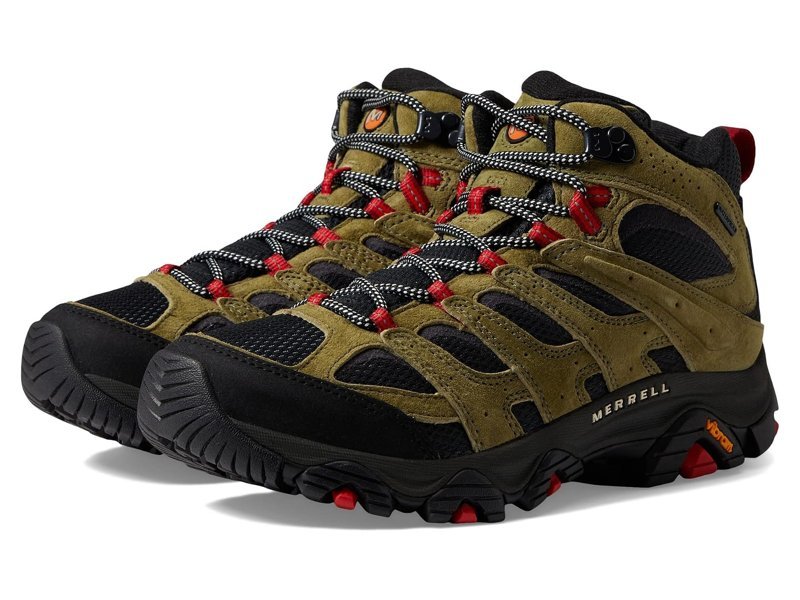
Ankle height, weight, waterproofing and fit: how to decide between a mid boot and a low hiking shoe for the trails you actually hike.
Read the guide →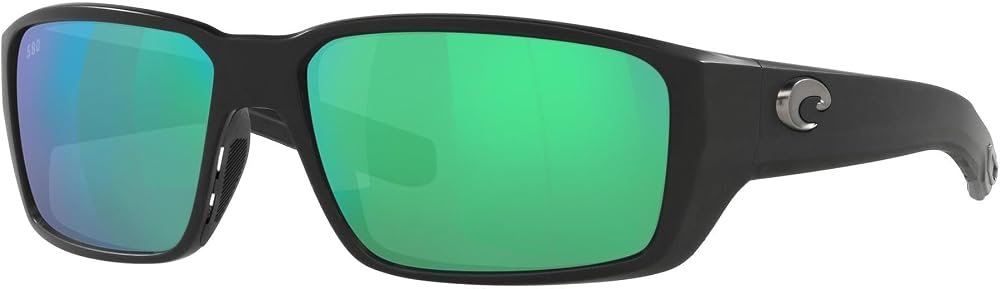
Polarization cuts glare, not UV. Here's when it helps, when it gets in the way, and which lens color works best on the water, trail and road.
Read the guide →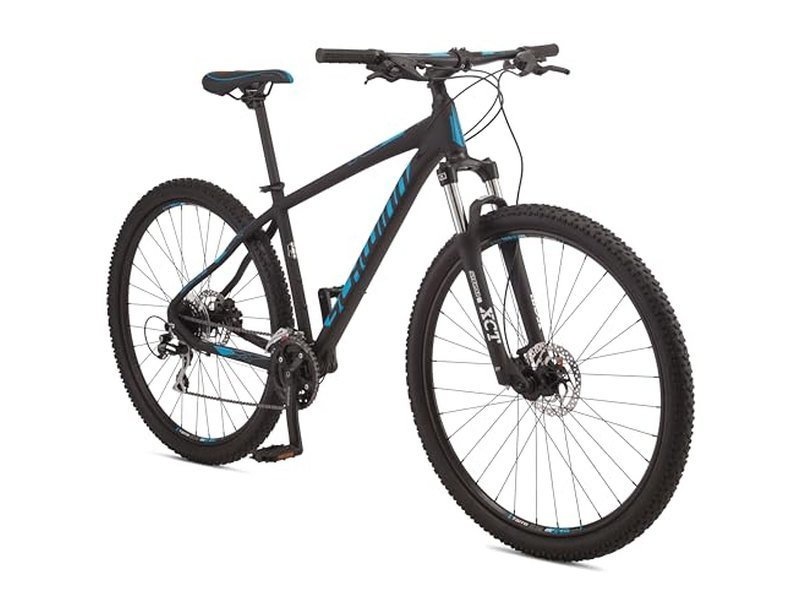
Hardtails cost less, weigh less and need less upkeep. Full-suspension bikes smooth out rough trails. Here's how to choose your first mountain bike.
Read the guide →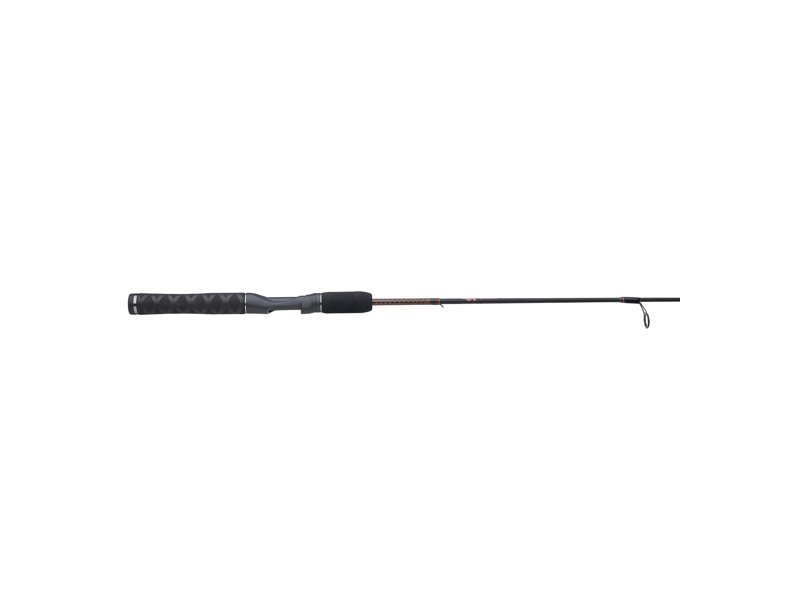
What 6'6" medium fast actually means, how to read the specs printed on a rod, and a simple first setup for bass, trout and panfish.
Read the guide →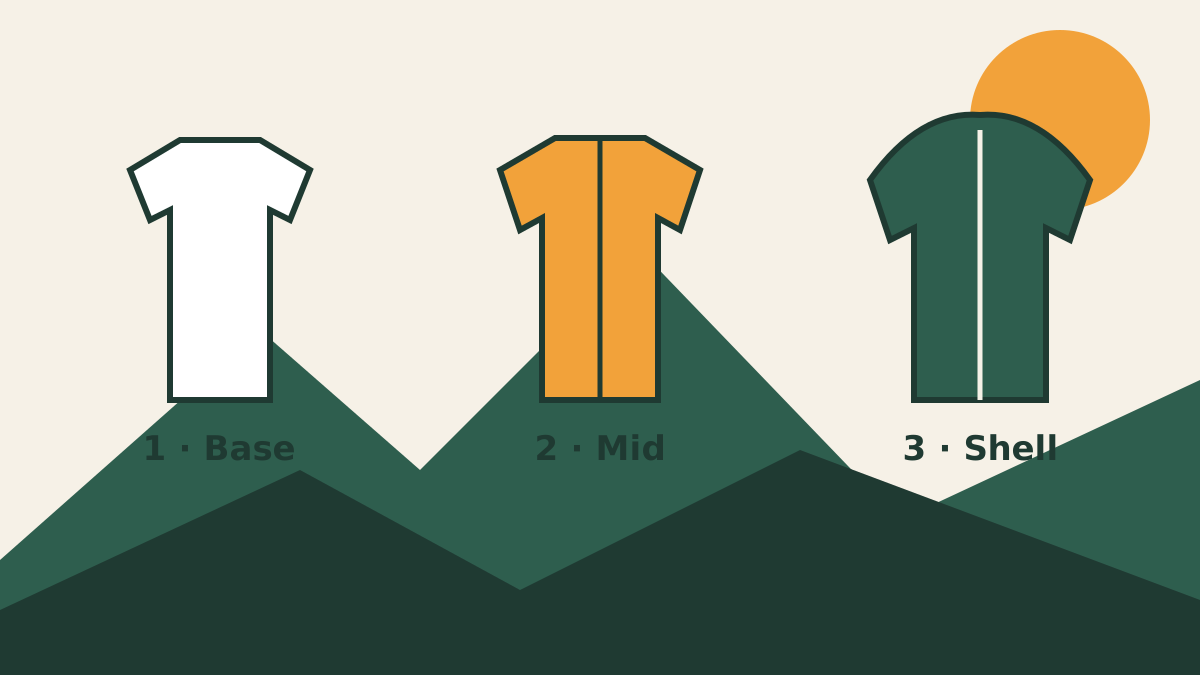
Fall weather can swing from sunny to cold rain in an hour. A simple base, mid and shell system keeps you dry and comfortable without overpacking.
Read the guide →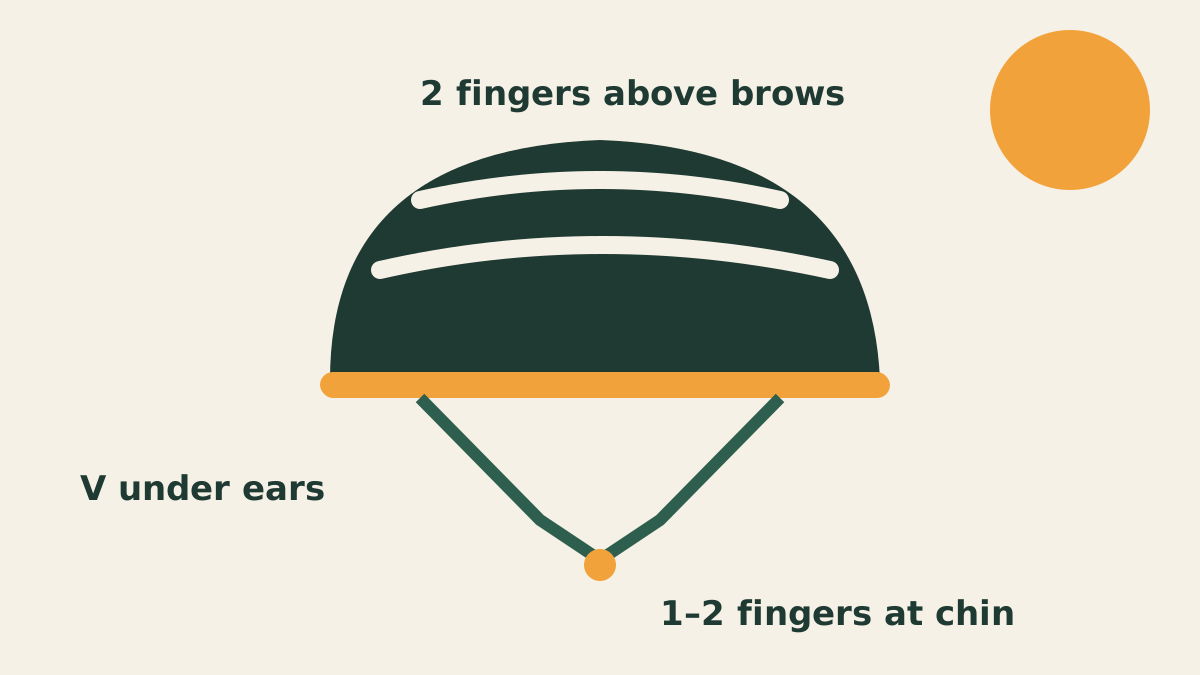
A step-by-step helmet fit check, what the CPSC sticker means, how MIPS and Virginia Tech ratings fit in, and when it's time for a new helmet.
Read the guide →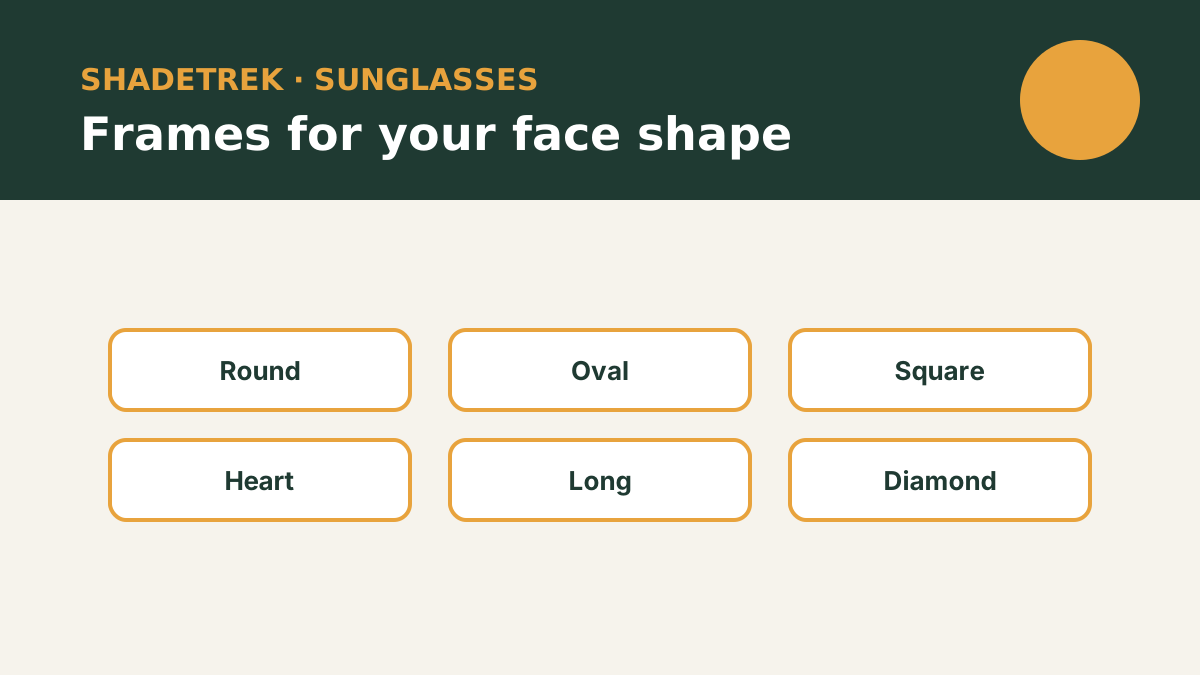
Face shape is a starting point, not a rulebook. Here's how to pick frames that balance your features and, more importantly, actually fit.
Read the guide →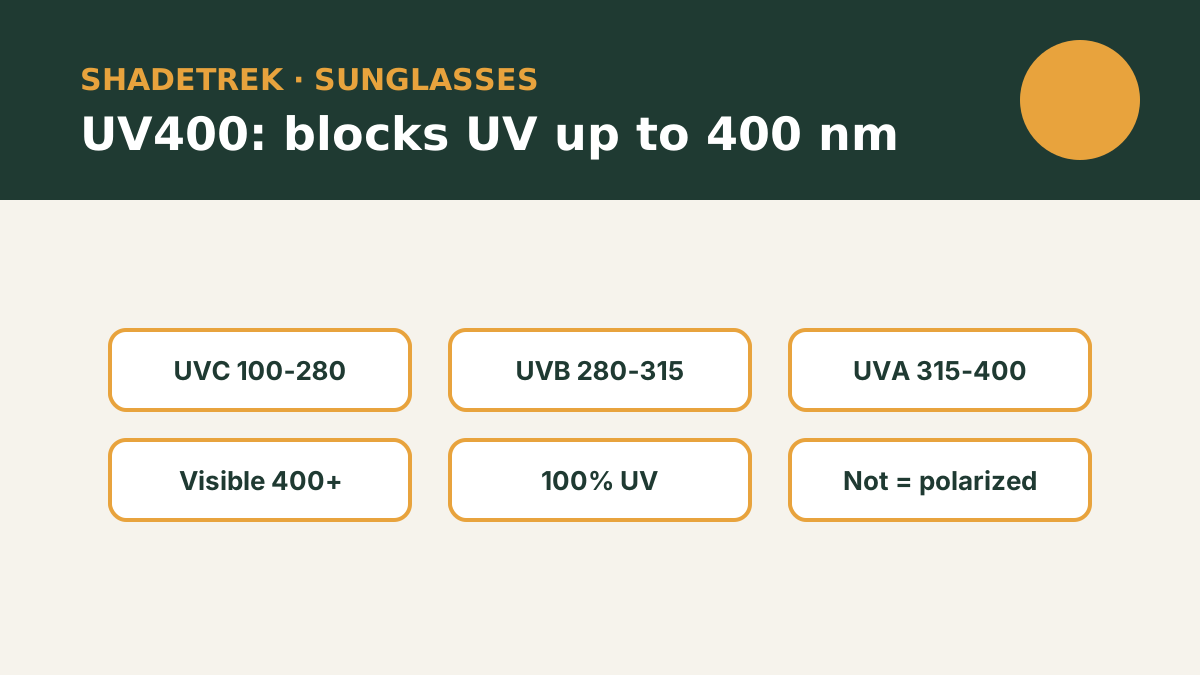
UV400 means the lens blocks UV light up to 400 nm. Here's what that covers, why darkness isn't protection, and why a $20 pair can protect as well as a $300 one.
Read the guide →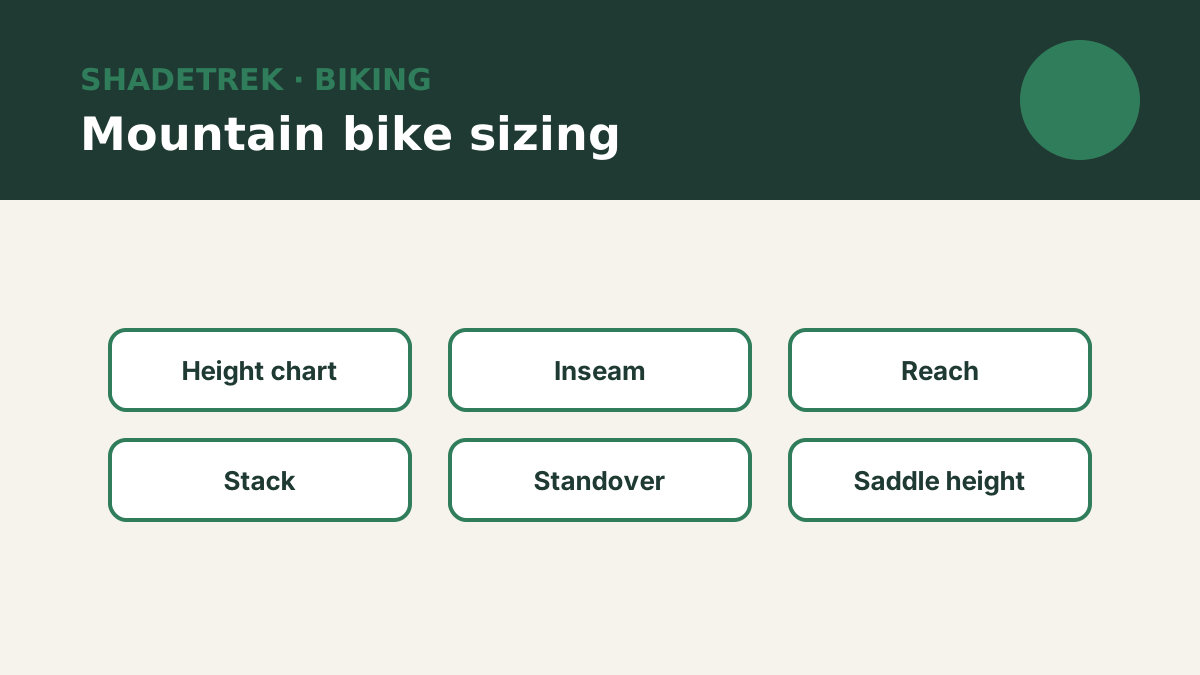
Height charts get you close. Inseam, reach and a few minutes of saddle adjustment get you the rest of the way. Here's how to size your first mountain bike.
Read the guide →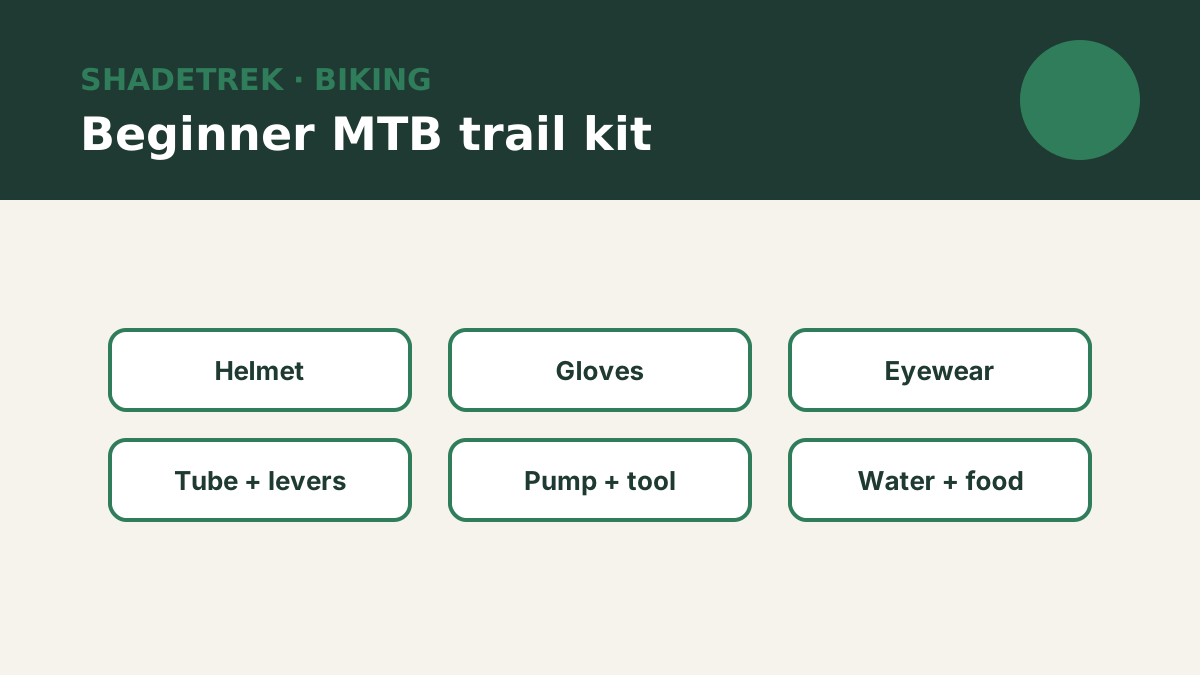
You don't need much to start mountain biking, but a few items save rides. Here's what to wear, what to carry and what can wait.
Read the guide →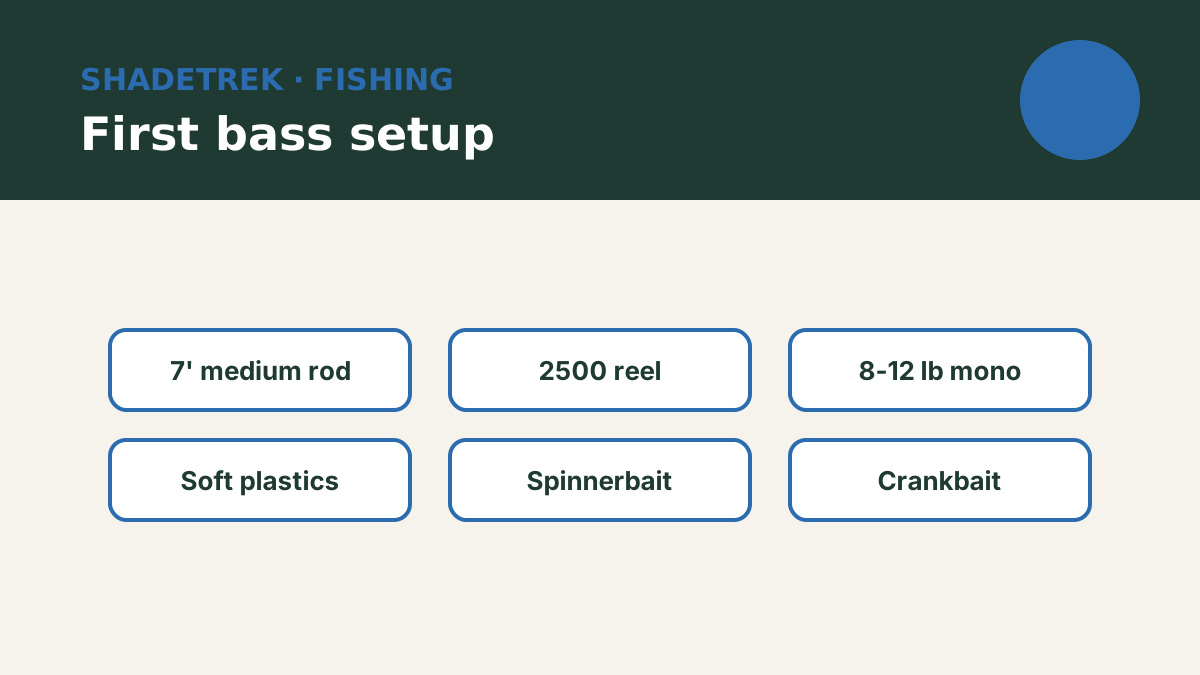
One medium spinning combo, the right line and a handful of lures will catch bass almost anywhere. Here's how to build your first setup.
Read the guide →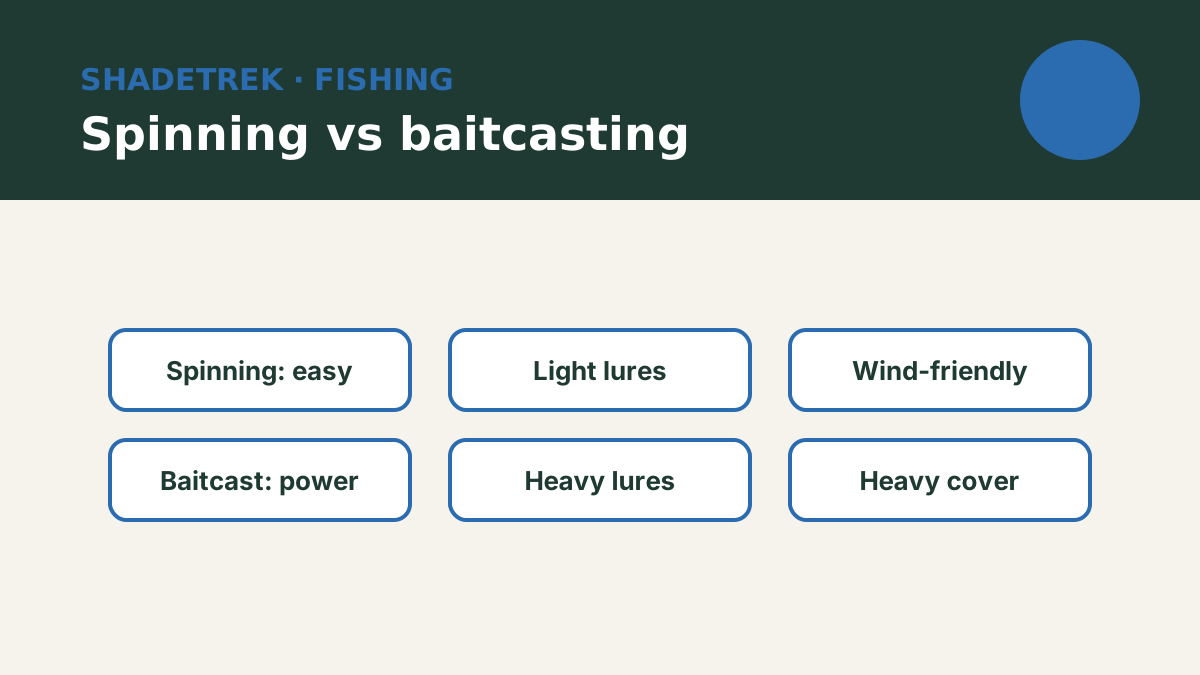
Spinning reels are easier and better with light lures. Baitcasters give more control with heavy lures and line. Here's how to choose, and when to own both.
Read the guide →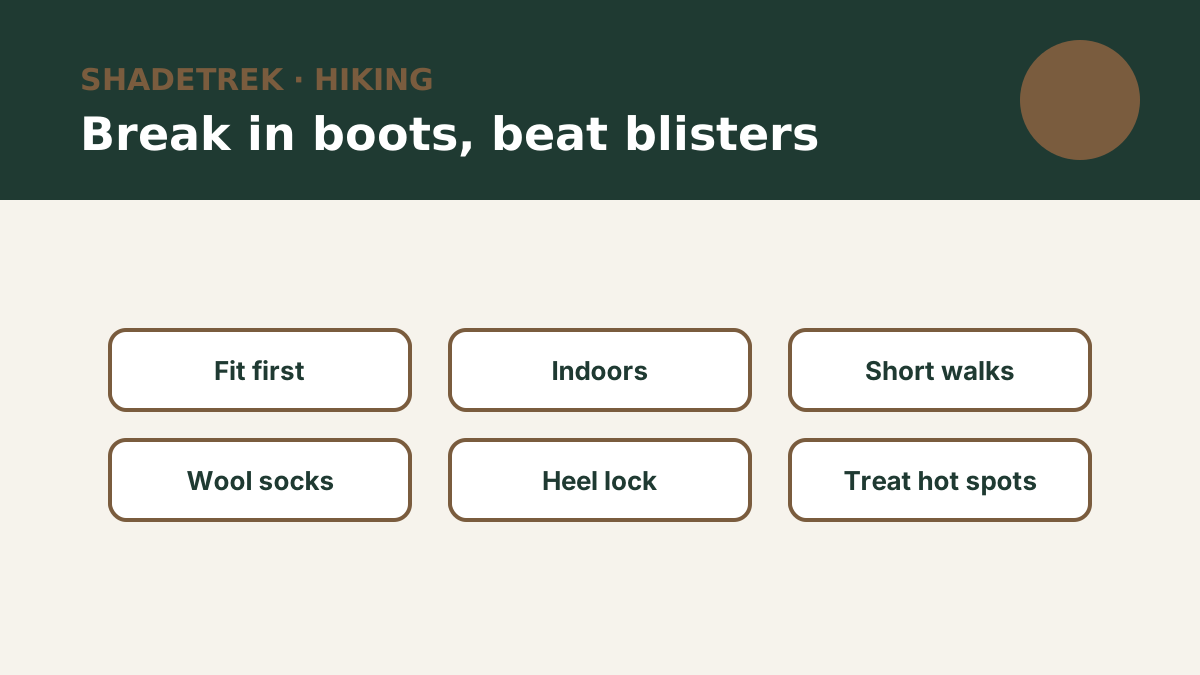
Most blisters come from friction, moisture and a poor fit. A short break-in plan, the right socks and fast hot-spot care prevent nearly all of them.
Read the guide →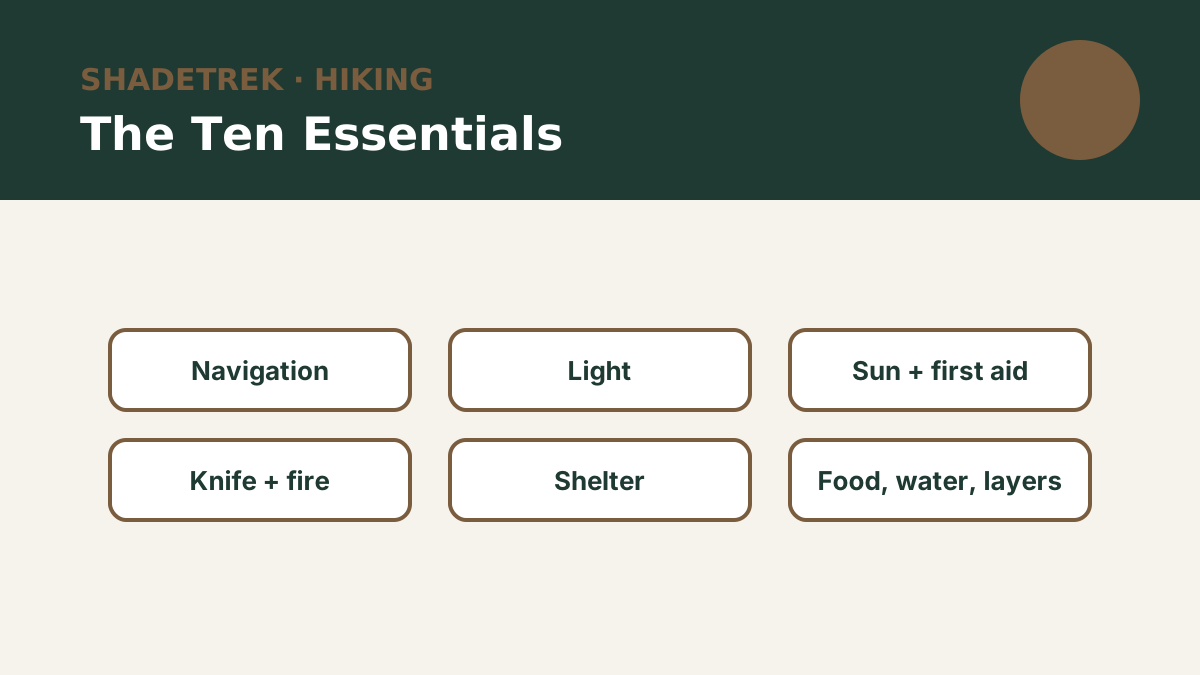
The Ten Essentials are the safety systems every hiker should carry, even on short trails. Here's what each one means for a day hike, plus a full checklist.
Read the guide →Written by ShadeTrek Editors. We don't run hands-on product tests; our advice summarizes the linked standards, expert guides, manufacturer specs and owner feedback.