
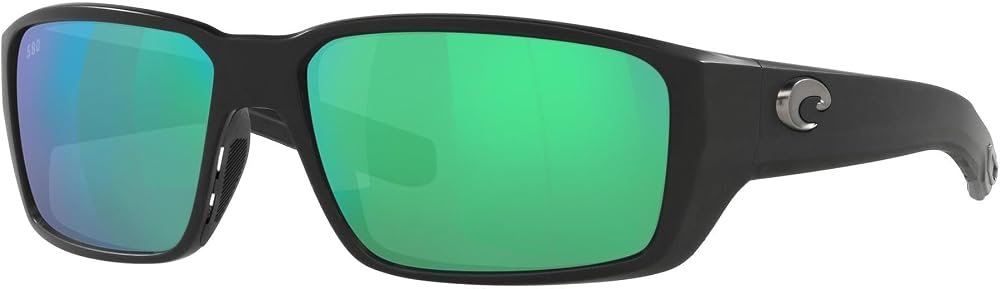
Sunglasses marketing throws a lot of terms at you: polarized, UV400, mirrored, contrast-enhancing, photochromic. Two decisions matter most for outdoor use. First, does the lens protect your eyes from UV? Second, does the lens type and color suit what you do? This guide explains both, using guidance from the American Academy of Ophthalmology (AAO), the US sunglass standard ANSI Z80.3, and lens descriptions published by the brands themselves.
Start with UV, not polarization
The single most important thing a pair of sunglasses does is block ultraviolet light. The AAO advises choosing sunglasses that block 100% of UVA and UVB rays, and notes that darker lenses don't automatically mean better UV protection. A label reading "100% UV protection" or "UV400" (blocking wavelengths up to 400 nanometers) is what you want.
In the US, nonprescription sunglasses are covered by ANSI Z80.3, a voluntary standard published by the American National Standards Institute that sets requirements for things like UV transmittance, optical quality and lens strength. The FDA also regulates sunglasses as medical devices and requires impact-resistant lenses under 21 CFR 801.410. In Europe and many other markets, the comparable standard is ISO 12312-1, which also sorts lenses into filter categories 0 to 4 by how much light they let through. Category 4 lenses are very dark and are marked as not suitable for driving.
Polarization is a separate feature. It doesn't add UV protection on its own, so check for both.
What polarization actually does
When sunlight bounces off a flat surface like water, a wet road or a car hood, much of the reflected light becomes horizontally polarized. That is the harsh glare that makes you squint. A polarized lens contains a filter with vertical orientation that blocks much of that horizontal light. The result is less glare and, on the water, the ability to see below the surface instead of just the reflection.
That is why polarized lenses are standard among anglers. Fishing-focused brands like Costa build their whole lineup around polarized glass and polycarbonate. Our top fishing pick, the Costa Fantail Pro, and budget options like the KastKing Skidaway are both polarized for that reason.
When non-polarized is the better call
Polarized lenses are not always better. The same filter that blocks glare can cause problems:
- Screens: many LCD screens, including some phones, GPS units, bike computers and car displays, emit polarized light. Through polarized lenses they can look dim, rainbow-tinted or black at certain angles. This is a real issue for cyclists and pilots.
- Ice and wet patches: glare is sometimes useful information. Skiers and winter hikers sometimes prefer non-polarized lenses because the shine on ice helps them spot it.
- Windshields: some tinted windshields show stress patterns through polarized lenses.
Many cycling glasses use non-polarized, contrast-boosting lenses for exactly these reasons. In our cycling sunglasses guide, shields like the Oakley Radar EV Path are typically sold with Prizm contrast lenses rather than polarized ones, though polarized versions exist.
Lens colors and what they're good for
Tint affects how colors look and how much contrast you see. It does not change UV protection. Lens guides from retailers like REI and brand pages broadly agree on these uses:
- Gray / smoke: reduces brightness evenly with little color shift. Good for bright sun, open water, driving and general use. A safe default.
- Brown, amber and copper: boost contrast and depth perception, especially in variable light. Popular for hiking, golf, freshwater fishing and driving.
- Green: a middle ground with mild contrast and fairly natural colors. Useful as an all-round outdoor tint.
- Yellow, orange and rose: let more light through and raise contrast in flat, overcast, dawn or dusk light. Common for mountain biking in trees and for low-light riding.
- Mirrored coatings: reflect extra light away. Useful in very bright conditions like snow, high altitude and offshore water. Blue and green mirrors are common on fishing lenses over a gray or copper base.
- Clear and photochromic: photochromic lenses darken in UV and lighten in shade. They're handy for rides or hikes that start in the dark or move in and out of tree cover, but they usually change more slowly than light does.
Picking by activity
Fishing and paddling
Get polarized. For offshore and bright saltwater, gray or blue-mirror over gray is common. For inshore flats and freshwater, copper, amber or green-mirror bases are popular because they boost contrast against sand, weeds and shadows. See our fishing sunglasses rankings for picks like the Costa Tuna Alley and Smith Guide's Choice.
Hiking
Polarized lenses are nice around lakes and on bright granite but not essential. Brown or amber tints help with contrast on rocky, shaded trails. Make sure the frame fits well and won't slide when you sweat. Our hiking sunglasses guide starts with the Sunski Headland.
Road and mountain biking
Many riders choose non-polarized contrast lenses so they can read a bike computer and see wet patches. A large shield with good coverage keeps out wind and debris. In dark woods, a lighter rose or yellow tint, or a photochromic lens, makes roots and rocks easier to see.
Running
Light weight and grip matter more than polarization. Our running sunglasses guide covers budget-friendly pairs like the goodr OG.
Driving and everyday
Polarized gray or brown lenses reduce road glare well. Check your car display through them before a long drive.
How to check a lens before you buy
- Read the label or product page for "100% UVA/UVB" or "UV400." If it isn't stated, skip the pair.
- To test polarization in a store, look at a phone screen and tilt your head about 90 degrees. A polarized lens will usually make the screen darken or change color.
- Check the lens material. Polycarbonate and similar plastics are light and impact resistant; glass offers excellent clarity and scratch resistance but is heavier.
- Look for a brand statement on standards such as ANSI Z80.3 or ISO 12312-1.
For a full ranking of 52 pairs with a filter for polarized lenses, style and fit, see our sunglasses guide and our how-to-choose guide. On a budget? Many pairs in our under-$50 list are polarized and block 100% of UV.
Key takeaways
- Polarization and UV protection are different things. A cheap polarized lens can lack full UV blocking, and a clear lens can block 100% UV.
- The American Academy of Ophthalmology recommends sunglasses that block 100% of UVA and UVB rays.
- Polarized lenses shine on the water and on bright roads; they can make phone screens, some dashboards and icy patches harder to see.
- Lens tint changes contrast and color, not safety. Pick it by light level and activity.
- ANSI Z80.3 is the US standard for nonprescription sunglasses; brands that meet it usually say so.
FAQ
Do polarized sunglasses protect against UV?
Polarization reduces glare, not UV. Many polarized lenses also block 100% of UV, but you should check the label for 100% UVA/UVB or UV400 protection.
Are polarized sunglasses better for driving?
They reduce glare from roads and other cars, which many drivers like. Some car displays and windshields can look odd through polarized lenses, so check before a long drive.
What lens color is best for fishing?
Polarized lenses are the key feature. Gray works well in bright, open water; copper, amber and green-mirror bases are popular for inshore and freshwater because they boost contrast.
What is ANSI Z80.3?
It is the American National Standards Institute standard for nonprescription sunglasses and fashion eyewear, covering requirements such as UV transmittance and optical quality.
Why can't I see my phone with polarized sunglasses?
Many phone and device screens emit polarized light. A polarized lens can block it at some angles, making the screen look dark.
Sources
- American Academy of Ophthalmology: Sunglasses
- REI Expert Advice: How to Choose Sunglasses
- FDA impact resistance rule, 21 CFR 801.410
- The Vision Council (ANSI Z80 secretariat)
This article is research-based. ShadeTrek did not test these products; information comes from the linked standards, expert guides, manufacturer specs and owner reviews. Some links are affiliate links. Not medical or safety advice for your specific situation.