From day-hike classics to side-shield glacier glasses.
By the ShadeTrek team · Last updated
#ad · Affiliate disclosure: As an Amazon Associate we earn from qualifying purchases. If you buy through our links we may earn a small commission at no extra cost to you. How we picked: we haven't lab-tested these glasses ourselves. Our picks come from manufacturer specs, expert reviews and what owners say in their reviews. Prices were checked on Oct 22, 2026 and can change.
Hiking sunglasses need to handle changing light, from bright ridgelines to shady forest. At altitude or on snow they also need to block a lot more light.
We picked seven pairs, from easy day-hike frames to glacier glasses with side shields.
Comparison table
Prices are Amazon prices as of Oct 22, 2026. Our rating weighs value, lens quality and how well each pair does its main job.
Swipe sideways on mobile to see the full table. Weights marked "(listed)" come from the Amazon listing; "Not listed" means no reliable official number.
Over prescription glasses: none of these picks are fit-over designs. If you wear glasses, look for prescription versions from the brand (we haven't verified Rx availability for each model) or a dedicated fit-over frame.
Lifetime frame warranty, plus lens replacement kits
Case and pouch included
Cons
TAC lenses scratch more easily than glass or premium poly
Too dark for deep shade
Runs wide on narrow faces
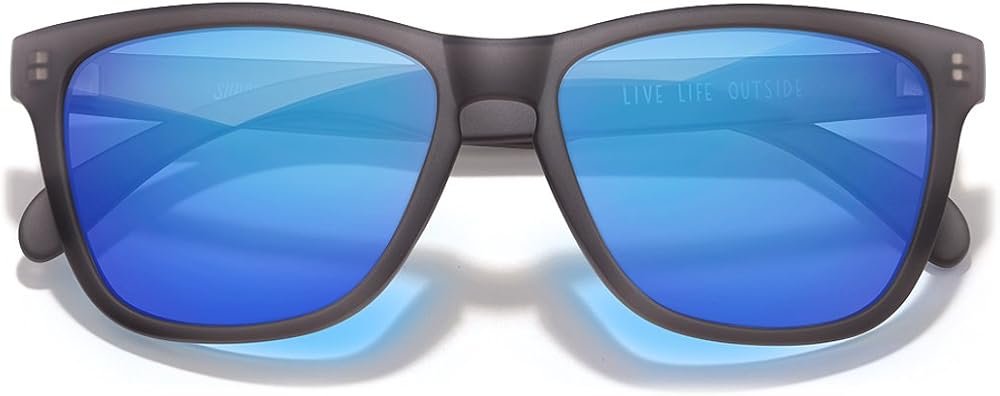
Who it's for
Most people. If you want one pair that lives in the car, goes on the trail and doesn't make you nervous at the beach, start here.
What stands out
The Headland hits a sweet spot that's hard to find: real polarized lenses, a wide frame that blocks light from the sides, and a light recycled-plastic build for under sixty bucks. Sunski lists the lenses at 15% visible light transmission (VLT), which puts them in the bright-sun category, and the 6-base curve wraps a little without looking like race glasses. A case and a microfiber pouch come in the box. Sunski's lifetime warranty covers the frames against defects and breaks from normal use (one replacement per pair, shipping not included). Lenses aren't covered, but Sunski sells replacement lens kits.
Downsides
The lenses are TAC polarized film, not glass or high-end polycarbonate, so they'll scratch sooner than a Smith or Costa if you toss them on the dash. The fit runs medium-to-wide, so narrow faces may find them slipping. At 15% VLT they're dark, which is great at noon and a little much in deep forest shade.
Verdict: The pair we'd tell a friend to buy first. You get most of what a $200 pair does for a quarter of the price, and the frame warranty takes the sting out of breaking them.
Hikers who want one premium pair that looks casual in town and works on the trail.
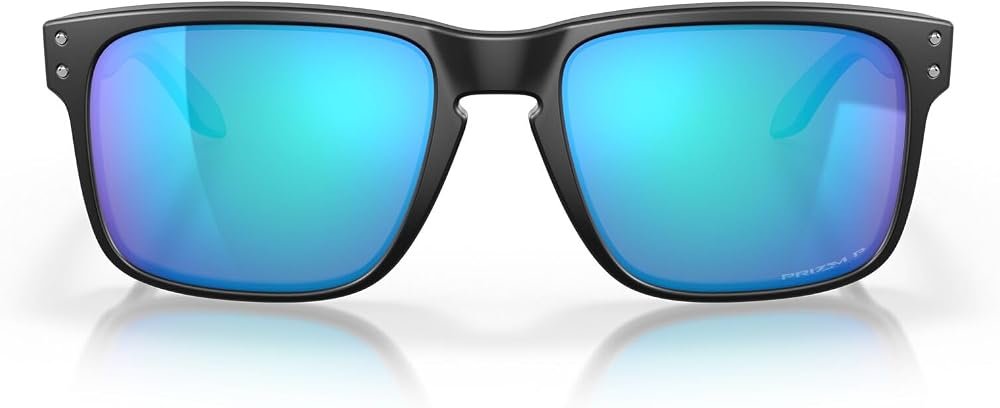
What stands out
The Holbrook is a retro square frame with modern Oakley tech: a light O Matter frame, Three-Point Fit (it touches only your nose and behind your ears), HDO optics and Plutonite lenses blocking UV up to 400 nm. Our link has Prizm Sapphire polarized lenses, a blue mirror tint for bright sun. It's a medium fit (132 mm hinge to hinge), and 950+ owners rate it 4.6 stars.
Downsides
It's $237, and a flat-front lifestyle frame lets more side light in than a wrap. There are no grippy rubber pads for sweaty climbs.
Verdict: A great one-pair-for-everything premium pick if you hike casually.
Backpackers and snowy-trail hikers who want side shields without the Julbo price.
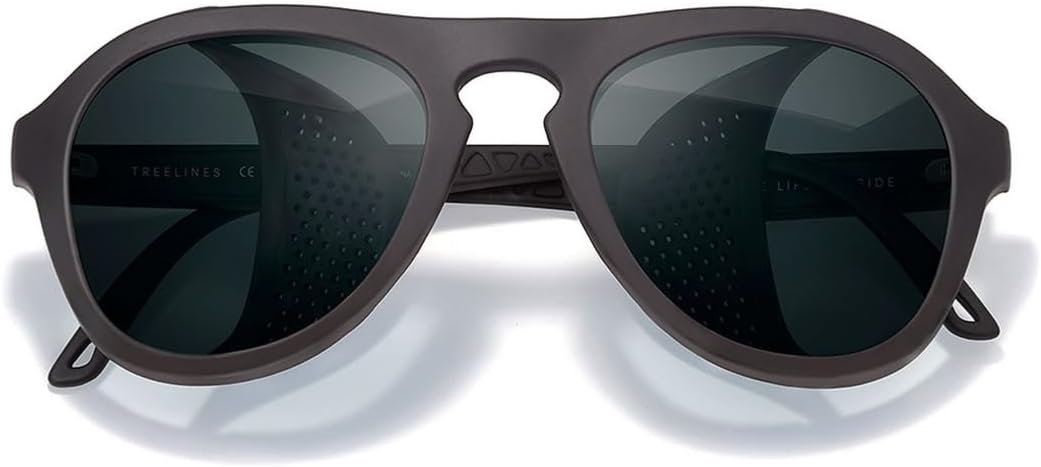
What stands out
Treeline is part of Sunski's Alpine line. It has polarized lenses and magnetic, removable side shields with tiny perforations to help with fog and breathability. Sunski uses its light SuperLight recycled plastic and grippy rubber pads. Sunski's lifetime frame warranty applies too.
Downsides
Only 27 Amazon ratings, and Sunski doesn't list VLT for this model on Amazon. At $98 it's more than our Headland pick.
Verdict: The best value alpine pair. It's more versatile than glacier glasses and half the price.
Climbers and high-altitude hikers who deal with snow, glare and fast-changing light.
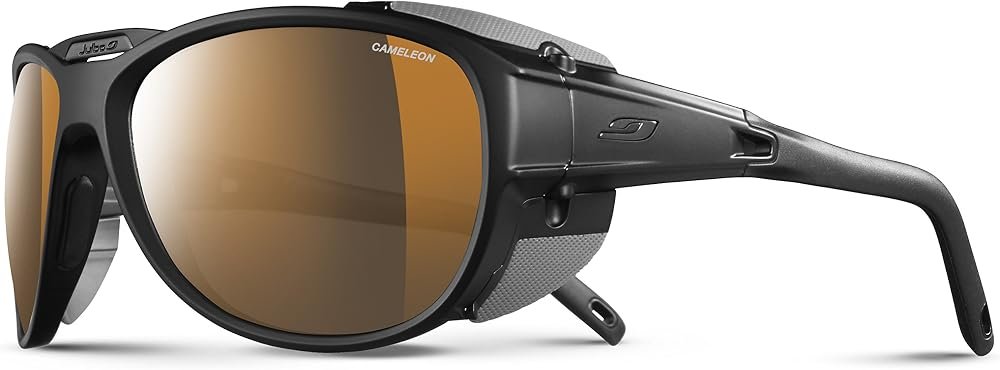
What stands out
The Explorer 2.0 is a classic mountaineering frame. Its Reactiv 2-4 lens is both polarized and photochromic, so it gets darker in bright light and lighter in shade, and it has an anti-fog treatment. Removable soft side shields block intense light at elevation and keep out wind and debris. Julbo says the standard fit suits most faces.
Downsides
It's $249.95, and the side-shield look is overkill for low-elevation day hikes. Only 171 Amazon ratings (4.2 stars). A Category 2-4 lens may not get dark enough for the most extreme glacier glare, where Category 4 lenses are standard.
Verdict: The pick for serious alpine trips. For regular day hikes, the Sunski Headland or Treeline make more sense.
Mountaineers and spring ski tourers who want glacier coverage with Smith's lens tech.
What stands out
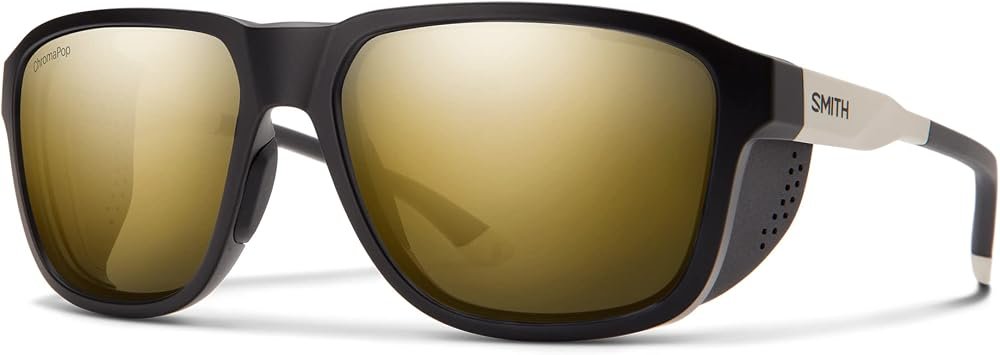
The Embark is Smith's glacier glasses frame. It has ChromaPop polarized lenses, removable TPU side shields, a goggle-style retainer strap, QuickFit adjustable temples and AutoLock hinges, all on an Evolve bio-based frame. A hard case and microfiber bag are included.
Downsides
Only 13 Amazon ratings. Prices vary by listing ($120 to $207), and our link is $159.99. The look is very "mountaineer."
Verdict: A great Julbo alternative, especially if you want adjustable temples.
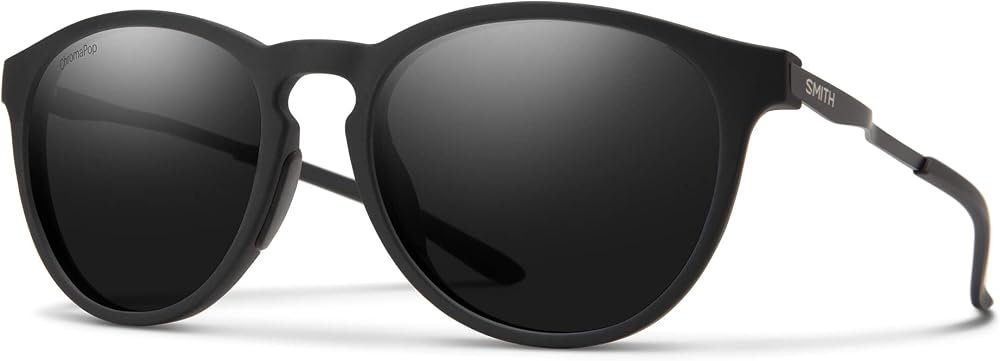
The Wander has ChromaPop polarized lenses with anti-reflective, water- and oil-repellent coatings, an Evolve frame, flexible stainless steel temples and Megol nose pads. Smith lists a 55 mm lens, 18 mm bridge and 140 mm temples with a medium fit. On our link it's $84.50, the cheapest way to get ChromaPop.
Downsides
It only has 2 Amazon ratings, so owner feedback is almost nonexistent. Some colors cost more.
Verdict: A great-value Smith if you want premium lenses on a budget.
Day hikers who want a light, classic polarized frame for about $60.
What stands out
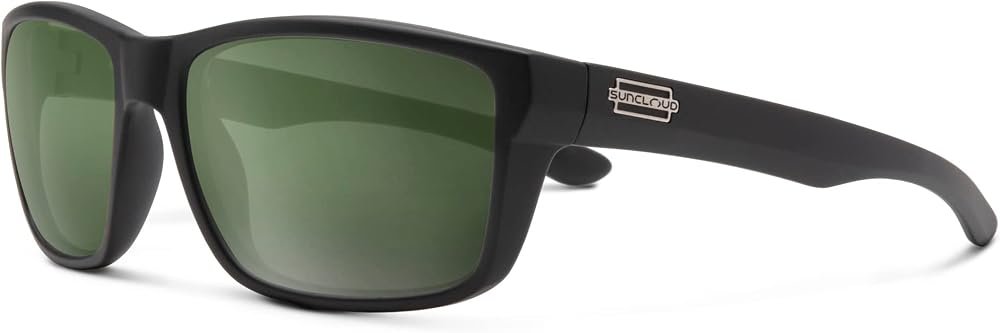
Another Suncloud from the Smith family. The Mayor is a classic square frame on the Evolve bio-based material with polarized polycarbonate lenses, a 6-base curve and 100% UV protection. Suncloud lists a medium fit, and 1,100+ owners rate it 4.4 stars.
Downsides
It's a lifestyle frame without much wrap or rubber grip. Suncloud doesn't list VLT or weight on Amazon.
Verdict: A dependable, affordable trail-to-town pair.
How to choose
Match darkness to elevation
For most day hikes, a medium-dark polarized lens (around 10 to 20% VLT) is ideal. Above treeline and on snow, UV and glare jump, so consider side shields and darker or photochromic lenses (Julbo Explorer 2.0, Smith Embark).
Lens color
Brown, amber and green boost contrast on dirt trails and help you spot roots and rocks. Gray is the most neutral for open, bright terrain.
Photochromic for forests
If you're constantly going between shade and sun, a photochromic lens that changes with the light (like Julbo's Reactiv) saves taking glasses on and off.
Comfort for long days
Light frames and rubber nose pads matter over eight hours. Make sure they fit well with a hat and don't press on your temples.
Frequently asked questions
Should hiking sunglasses be polarized?
Usually yes. Polarization cuts glare from rocks, water and snow. Some mountaineers prefer non-polarized lenses for reading icy surfaces, but polarized is a good default.
What are glacier glasses?
Very dark sunglasses with side shields that block light coming from the sides and below, for snow and high altitude. Julbo Explorer 2.0, Smith Embark and Sunski Treeline all have removable shields.
What lens color is best for hiking?
Brown, amber or green for contrast on trails. Gray for very bright, open terrain. Photochromic for mixed sun and shade.
Do I need sunglasses at high altitude?
Yes. UV gets stronger as you climb, and snow reflects most of it. Good UV400 protection and side coverage help prevent snow blindness.
What does UV400 mean?
UV400 means the lenses block light with wavelengths up to 400 nanometers, which covers UVA and UVB. It's the same as "100% UV protection." The American Academy of Ophthalmology recommends sunglasses that block 99 to 100% of UV. Every pair in this guide lists 100% UV or UV400 protection.
What is photochromic?
A lens that darkens in bright light and lightens in shade. It's great for forest hikes, though it reacts more slowly in the cold.
Sources
Amazon product listings for each pick (prices, specs, rating counts), checked Oct 22, 2026
#ad · Links to Amazon are affiliate links. As an Amazon Associate, ShadeTrek earns from qualifying purchases. That never changes which products we pick or what we say about them. Prices and availability are set by the retailer and can change at any time.