Shields, swappable lenses and contrast tints for road, gravel and trail.
By the ShadeTrek team · Last updated
#ad · Affiliate disclosure: As an Amazon Associate we earn from qualifying purchases. If you buy through our links we may earn a small commission at no extra cost to you. How we picked: we haven't lab-tested these glasses ourselves. Our picks come from manufacturer specs, expert reviews and what owners say in their reviews. Prices were checked on Oct 22, 2026 and can change.
On the bike, sunglasses do three jobs: block wind and grit, keep you seeing clearly as the light changes, and stay put over bumps. Big shield lenses, contrast tints and grippy pads matter more than style.
We picked seven cycling sunglasses, from a $30 commuter pair to Oakley's pro-peloton classics.
Comparison table
Prices are Amazon prices as of Oct 22, 2026. Our rating weighs value, lens quality and how well each pair does its main job.
Swipe sideways on mobile to see the full table. Weights marked "(listed)" come from the Amazon listing; "Not listed" means no reliable official number.
Over prescription glasses: none of these picks are fit-over designs. If you wear glasses, look for prescription versions from the brand (we haven't verified Rx availability for each model) or a dedicated fit-over frame.
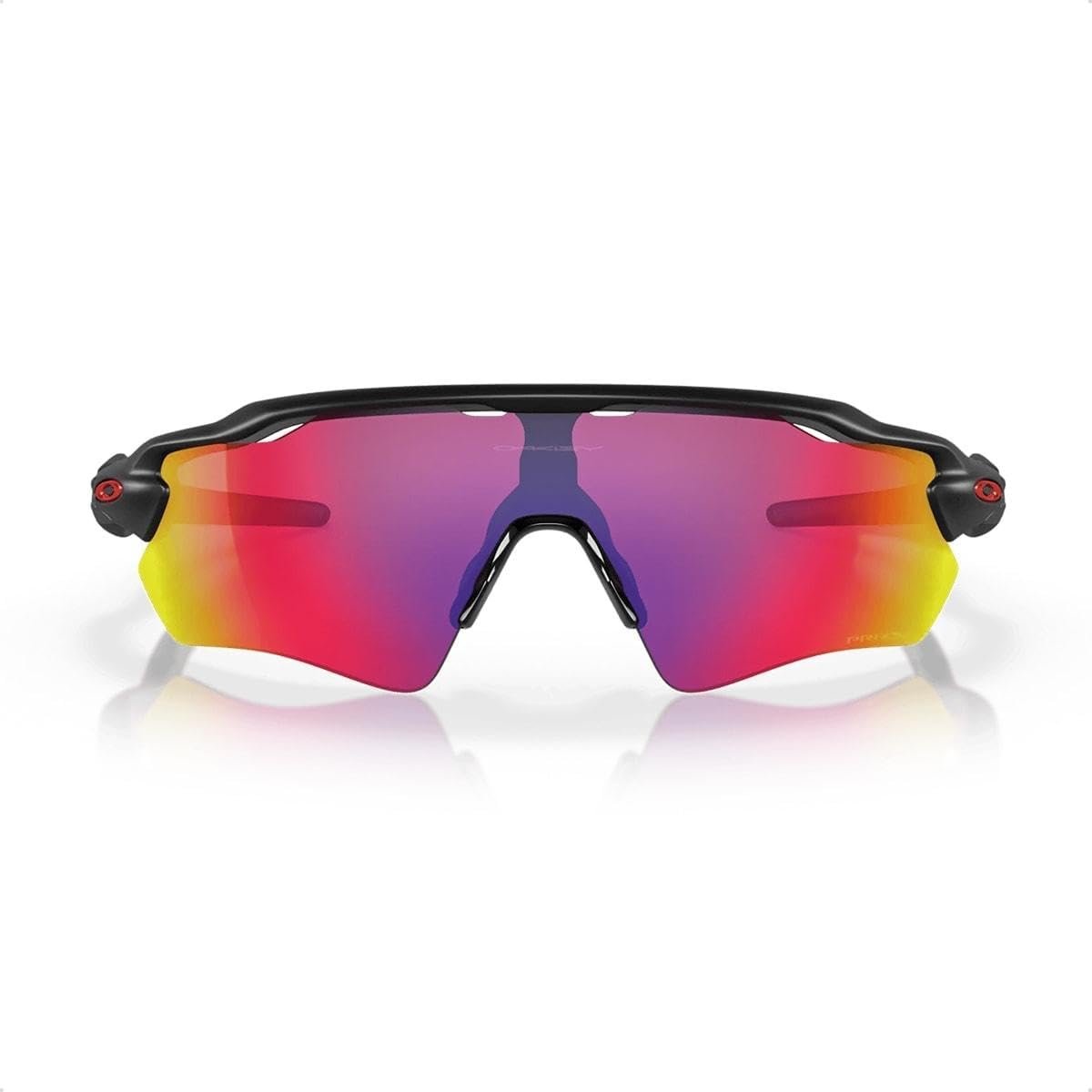
Road riders who spend hours in the drops and want the classic pro-peloton shield.
What stands out
The Radar EV Path is one of the most-seen frames in road cycling. Its taller lens extends your upper field of view, so you can see the road ahead when you're tucked low. Prizm Road lenses brighten whites and sharpen road texture so you can spot hazards. Grip nose pads and earsocks hold tighter when wet, and a hard case comes in the box. 720+ owners rate it 4.8 stars, the highest in our cycling picks.
Downsides
It's $244, and the listing notes a high-bridge fit, so it may sit low on flatter noses. Prizm Road isn't dark enough for full-sun beach or water days.
Verdict: The best road cycling sunglasses for most serious riders.
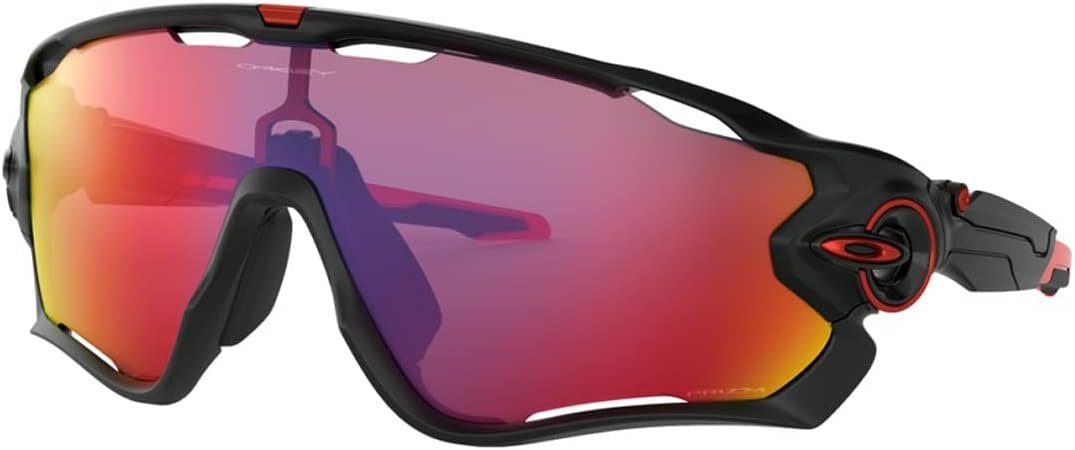
Riders who want the biggest field of view Oakley makes.
What stands out
The Jawbreaker is a huge, full-rim shield with Prizm Road lenses, Oakley's HDO optics and Plutonite lenses that block UV up to 400 nm. The O Matter frame is light and stress-resistant, and Unobtanium nose pads and earsocks grip harder as you sweat. 470+ owners give it 4.6 stars.
Downsides
It's the most expensive cycling pick at $268, and the full rim and big lens look dramatic off the bike. Some riders prefer the Radar's lighter feel.
Verdict: Pick it over the Radar if coverage matters most to you.
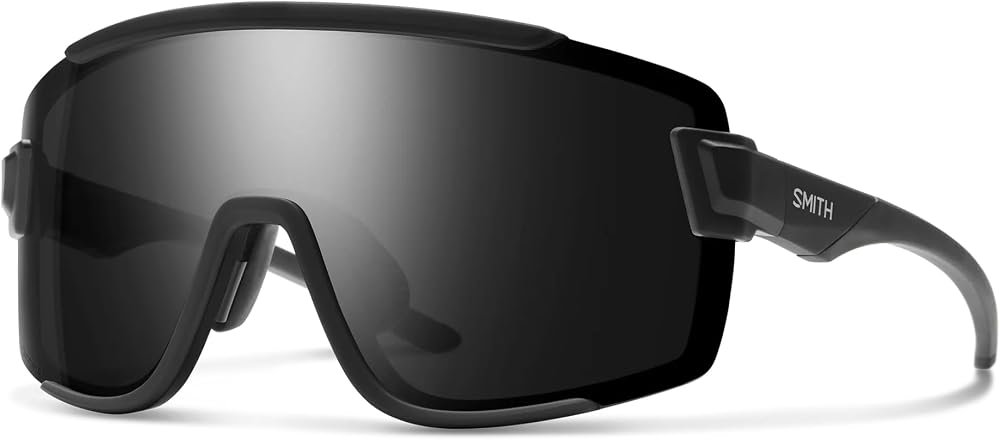
Mountain bikers who want goggle-like coverage plus a clear lens for dark trails.
What stands out
Smith calls the Wildcat a hybrid between goggles and sunglasses: a huge shield lens for coverage with the airflow of regular glasses. It has a TR90 and TPU frame, AutoLock hinges and no-slip pads. The big win for MTB is the bonus clear lens in the box, which is great for shaded singletrack and dusk rides. A hard case is included.
Downsides
Only 34 Amazon ratings, and the price on our link is $247, higher than other Wildcat listings. Smith doesn't list the lens tint VLT on Amazon, and the look is very bold.
Verdict: The best MTB pick, thanks to the coverage and the extra clear lens.
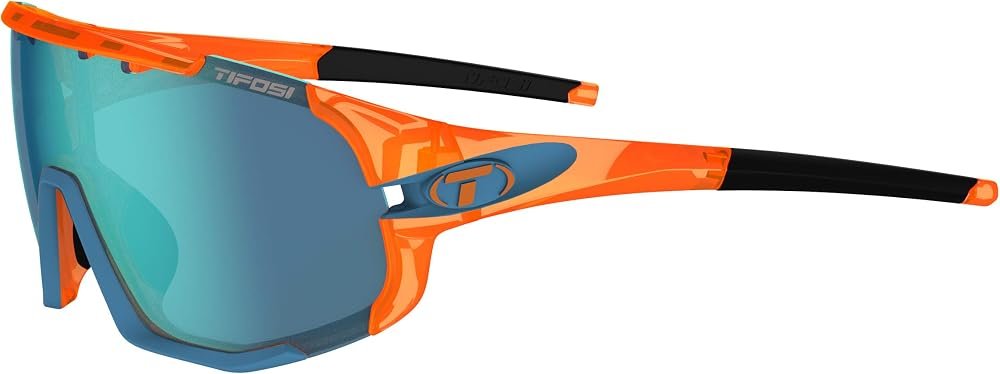
Riders who want three lenses for every light condition for under $50.
What stands out
The Sledge comes with three interchangeable lenses: Clarion Blue for sun, AC Red for mixed light and clear for low light. The lenses are vented to fight fog, and the 37-gram Grilamid TR90 frame has hydrophilic nose pads and adjustable ear pieces. 460+ owners rate it 4.5 stars.
Downsides
Swapping lenses takes some fiddling. The lenses aren't polarized, and 37 g is heavier than the Radar or Swank.
Verdict: The best value cycling pair. You get three lenses for less than a single Oakley replacement lens.
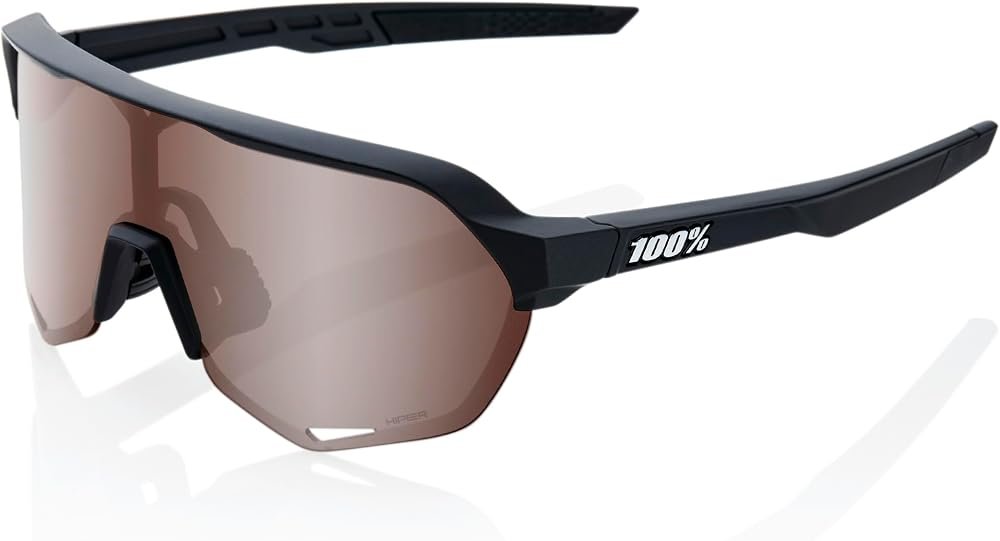
Riders who want the big-shield pro look for under $50.
What stands out
100% is a big name in motocross and cycling eyewear. The S2 has a 5.5-base cylindrical shield lens for wide peripheral vision and a hydrophobic and oleophobic coating that repels water, dirt and oil. The lenses are interchangeable (sold separately), scratch-resistant and UV400. Our link is $48.88 in black with a smoke lens, and owners rate it 4.6 stars.
Downsides
Prices vary a lot by color on Amazon, from about $49 to $79. Weight isn't listed (Amazon shows shipping weight), and only one lens comes in the box.
Verdict: The best budget big-shield option if you like the pro look.
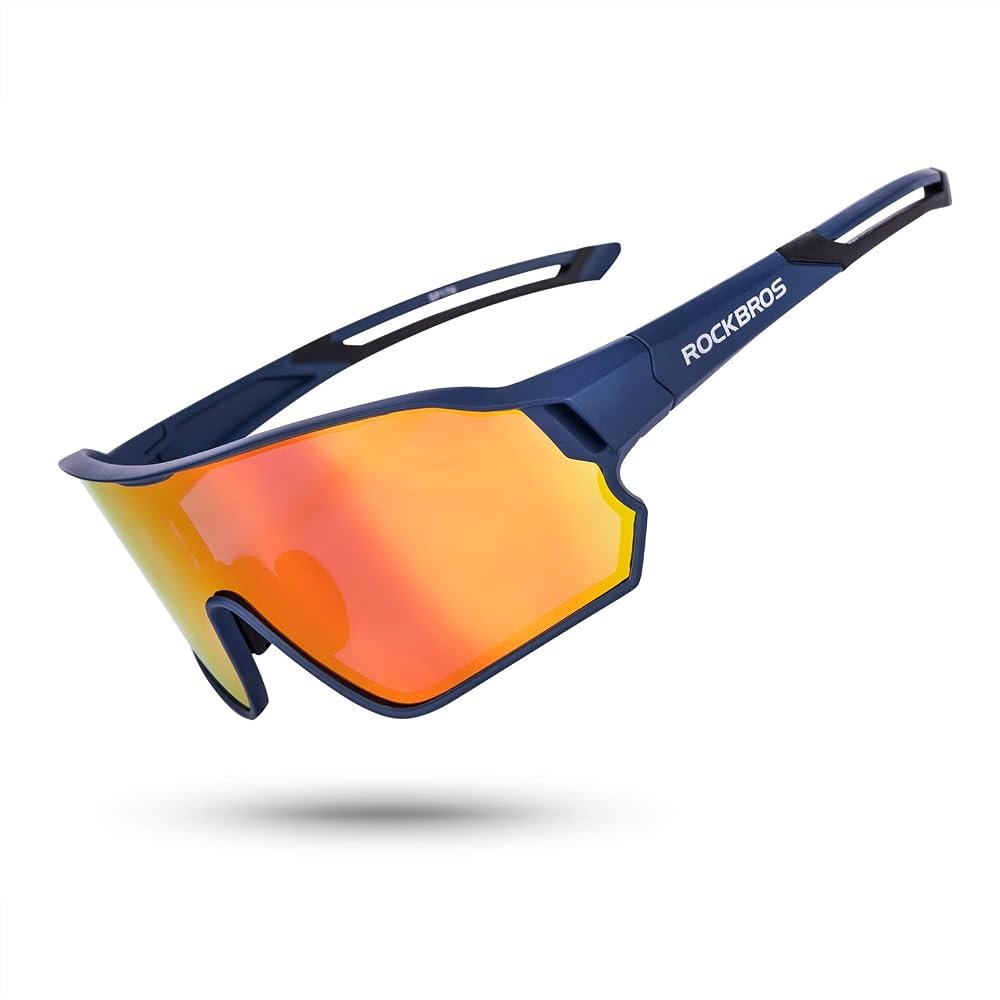
New riders and commuters who just need wraparound protection for cheap.
What stands out
ROCKBROS is a popular budget cycling brand, and these polarized sport sunglasses have more than 7,400 Amazon ratings at 4.2 stars. The listing says they weigh 25 g and have a curved polycarbonate frame, rubber nose pads and adjustable rubber ear pads for a secure fit. The curved lens blocks wind well.
Downsides
It's polarized, which some riders dislike because it can hide wet patches and dim bike screens. Optics and build don't match the name brands, and ratings are lower than most picks.
Verdict: A solid first pair for commuting. Upgrade to the Tifosi Sledge if you ride a lot.
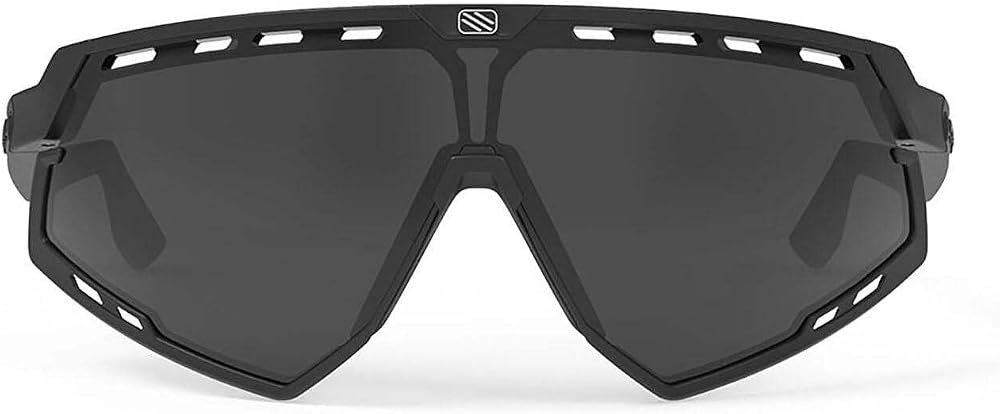
Riders who want a fully adjustable fit, including adjustable nose pads.
What stands out
Rudy Project is an Italian brand with a big following in cycling and triathlon. The Defender has a big shield lens with interchangeable lens bumpers, Powerflow ventilation, and adjustable anti-slip nose pads and temples, so you can dial in the fit. The adjustable nose pads make it one of the better choices here for low nose bridges.
Downsides
The Amazon listing has little detail on lens tint or specs. There are only 35 ratings (3.9 stars), and prices vary widely by color. Weight isn't listed.
Verdict: Worth a look if adjustable fit matters most. Check the exact lens on the listing before you buy.
How to choose
Polarized or not?
Many road riders skip polarization. It can hide wet patches and oil, and it can dim GPS screens. Contrast tints like Oakley Prizm Road or Smith ChromaPop are popular instead.
Coverage
A big shield (Jawbreaker, Wildcat, S2) blocks wind, grit and low sun. A tall lens like the Radar EV Path helps you see up the road when you're tucked low.
Lens tint by riding
Road, bright sun: rose or red contrast lenses with a mirror.
MTB and shaded trails: lighter rose or clear. A bonus clear lens (Smith Wildcat) or a 3-lens kit (Tifosi Sledge) is very useful.
Commuting: a clear or light lens for dawn and dusk.
Fit with your helmet
Check that the temple arms don't clash with your helmet's retention system. Grippy nose pads and earsocks that hold tighter when sweaty are a must.
Frequently asked questions
Should cycling sunglasses be polarized?
It's personal. Many road riders avoid polarization because it can hide wet or oily patches and dim bike computer screens. Contrast lenses like Prizm Road are a popular alternative.
What lens color is best for cycling?
Rose, red or amber bases boost contrast on the road and trail. Gray works in very bright sun. Clear or light yellow is best for dawn, dusk and shady MTB trails.
Why do cyclists wear big sunglasses?
Big shield lenses block wind, bugs, grit and side light and give a wider field of view when you're tucked low.
Are interchangeable lenses worth it?
If you ride in changing light, yes. The Tifosi Sledge includes three lenses for under $50, and Smith's Wildcat comes with a bonus clear lens.
What does UV400 mean?
UV400 means the lenses block light with wavelengths up to 400 nanometers, which covers UVA and UVB. It's the same as "100% UV protection." The American Academy of Ophthalmology recommends sunglasses that block 99 to 100% of UV. Every pair in this guide lists 100% UV or UV400 protection.
Do cycling sunglasses fog up?
They can on slow climbs. Vented lenses (Tifosi Sledge) and frames that sit off your face help.
Sources
Amazon product listings for each pick (prices, specs, rating counts), checked Oct 22, 2026
#ad · Links to Amazon are affiliate links. As an Amazon Associate, ShadeTrek earns from qualifying purchases. That never changes which products we pick or what we say about them. Prices and availability are set by the retailer and can change at any time.